Thermal Shock & Freeze–Thaw: Engineering for Colorado
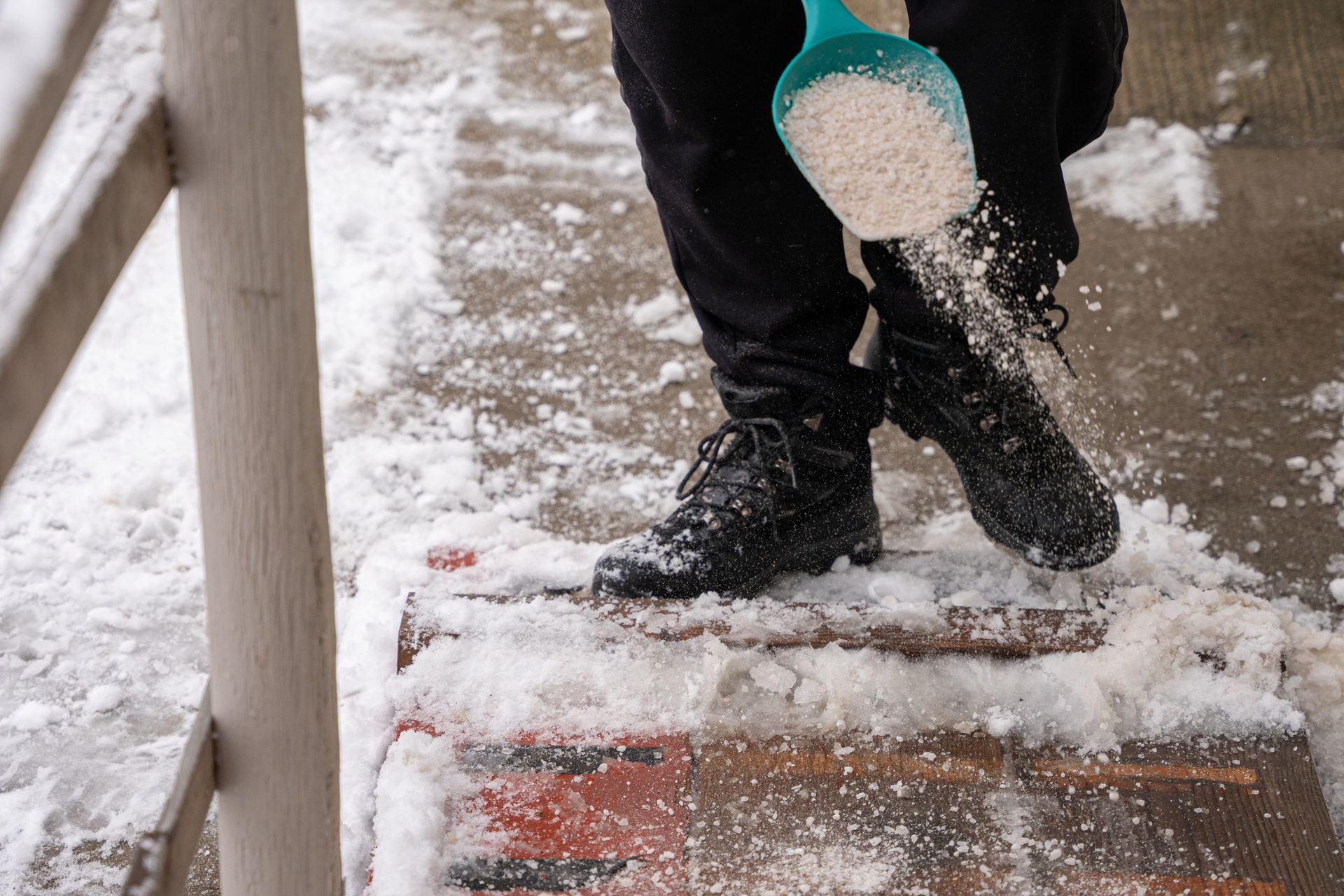
Colorado is known for its breathtaking landscapes and its dramatic weather swings. In a single day, temperatures can climb into the 60s under sunny skies, then plummet below freezing by nightfall. For homeowners and commercial property owners, these sudden shifts bring a hidden challenge: thermal shock and freeze–thaw cycles that can wreak havoc on concrete surfaces.
At Keas Concrete Coatings, we engineer solutions built for Colorado’s unique climate, ensuring garage floors, patios, and commercial spaces withstand extreme temperature changes without cracking, peeling, or deteriorating.
This article explains how freeze–thaw cycles damage concrete, why thermal shock resistance matters, and how our polyurea and polyaspartic coating systems protect Colorado properties year after year.
Understanding Freeze–Thaw Damage
Concrete is porous by nature. It absorbs water from snowmelt, rain, or even humidity. When temperatures fall below freezing, this trapped water turns into ice, expanding up to 9% in volume. The expansion exerts internal pressure on the concrete, leading to:
- Cracks: Small fissures widen as repeated cycles force the slab apart.
- Spalling: Flakes or layers of concrete break off, exposing aggregate.
- Surface scaling: The top layer wears away, leaving rough and uneven patches.
- Structural weakening: Over time, ongoing freeze–thaw damage compromises the strength of the entire slab.
Colorado’s rapid daytime warming and nighttime freezes make this cycle more aggressive than in many states. Homeowners in Denver, Boulder, and mountain communities often see visible deterioration after only a few winters.
What is Thermal Shock?
Thermal shock occurs when concrete or coatings are exposed to sudden, extreme temperature changes. For example, imagine a commercial kitchen floor being cleaned with hot water immediately after exposure to freezing outdoor conditions, or a garage floor in Denver covered with ice melt and slush that’s quickly exposed to warm vehicle tires.
These abrupt changes can cause conventional coatings—like epoxy—to crack, peel, or delaminate. Without flexibility and chemical resilience, the surface fails, leaving concrete vulnerable.
How Polyurea & Polyaspartic Coatings Handle Colorado’s Climate
At Keas Concrete Coatings, we use polyurea and polyaspartic systems specifically chosen for their ability to withstand Colorado’s freeze–thaw cycles and resist thermal shock. Here’s why they outperform epoxy and other alternatives:
Moisture Blocking
By penetrating and sealing the concrete surface, coatings prevent water from soaking into pores. With no moisture inside the slab, freeze–thaw expansion is eliminated.
Flexibility
Polyurea coatings are engineered with high tensile strength and flexibility. This allows them to move with the concrete as it expands and contracts, instead of cracking under stress.
Temperature Tolerance
Unlike epoxy, which must be applied in narrow conditions and becomes brittle in cold weather, polyurea/polyaspartic coatings remain stable from -20°F to 120°F. This broad performance range makes them ideal for Colorado’s unpredictable climate.
Thermal Shock Resistance
These coatings resist sudden temperature swings, meaning a floor can go from icy slush to hot tire contact without suffering delamination. This makes them particularly valuable for both residential garages and commercial environments.
Long-Term Durability
While untreated concrete or epoxy may degrade after only a few years in Colorado, polyurea/polyaspartic coatings consistently last 15–20 years with minimal maintenance.
Applications for Freeze–Thaw & Thermal Shock Protection
Garage Floors
Garage slabs face some of the toughest winter conditions: snowmelt dripping from cars, road salts eating away at the surface, and daily temperature swings. Coatings protect against pitting, staining, and cracking, ensuring a safe and attractive floor all winter long.
Outdoor Patios & Walkways
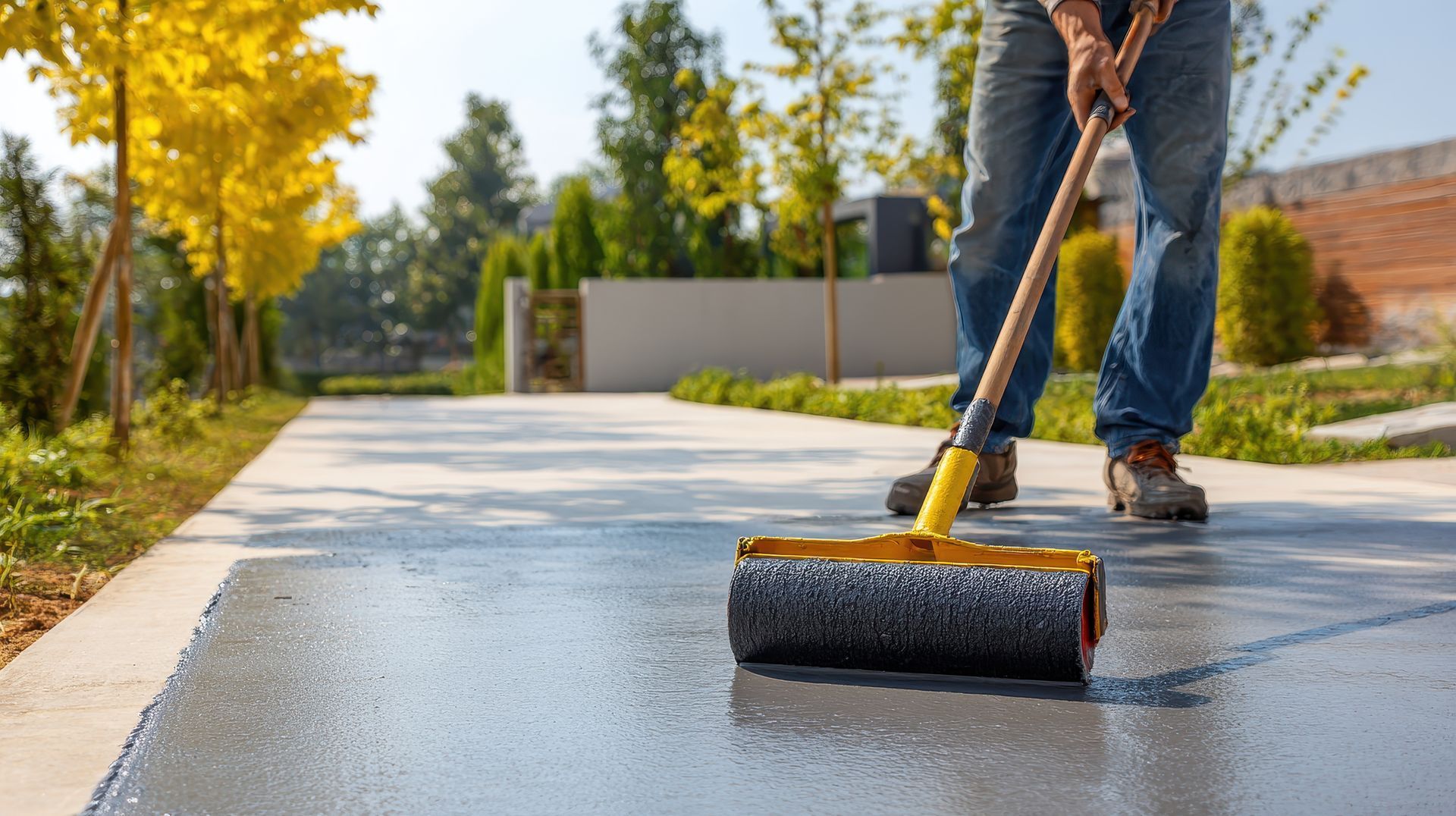
Uncoated patios often suffer spalling from freeze–thaw cycles, creating safety hazards and eyesores. Coatings create a seamless, UV-stable surface that resists both weather and wear.
Commercial Kitchens & Breweries
Thermal shock is a daily concern in industries where hot liquids and cold cleaning cycles are routine. Polyurea coatings maintain integrity under these conditions while offering easy-to-clean, sanitary surfaces.
Warehouses & Service Facilities
In large spaces exposed to temperature fluctuations, coatings provide both strength and stability, protecting against thermal expansion damage and high-traffic wear.
Why Epoxy Falls Short in Colorado
Although epoxy has long been marketed as a go-to coating, it struggles under Colorado’s environmental stresses.
- UV Sensitivity: Epoxy yellows and chalks in sunlight, which is intensified at high altitudes.
- Brittleness in Cold: Low flexibility means epoxy cracks under freeze–thaw stress.
- Moisture Sensitivity: Epoxy fails when applied to damp concrete, which is common in basements and garages.
- Poor Thermal Shock Resistance: Epoxy cannot withstand rapid temperature changes without peeling.
For Colorado homeowners and businesses, epoxy often means re-coating or repairing within a few short years—whereas polyurea and polyaspartic systems deliver decades of performance.
FAQs About Freeze–Thaw and Thermal Shock Protection
How do coatings prevent freeze–thaw damage?
By sealing pores and stopping water absorption, coatings eliminate the root cause of freeze–thaw cracking.
Are coatings really flexible enough for Colorado’s climate?
Yes. Polyurea coatings have four times the flexibility of epoxy, allowing them to expand and contract with the slab.
Will coatings make outdoor patios slippery in winter?
Not if you don’t want them to. Anti-slip textures can be added for safety in icy conditions.
Do coatings resist road salts and deicers?
Yes. Polyurea/polyaspartic coatings are resistant to chemical corrosion, unlike bare concrete, which reacts to salts.
How long will a coated floor last in Colorado?
With professional installation, most coatings last 15–20 years even under extreme conditions.
Can coatings be installed in cold weather?
Yes. Unlike epoxy, which requires warm application conditions, polyurea can be applied in temperatures as low as -20°F.
Colorado Floors Built to Last with Keas Concrete Coatings
Colorado’s climate demands more from your flooring. Freeze–thaw cycles and thermal shock can destroy untreated concrete and make epoxy coatings fail long before their time. At Keas Concrete Coatings, we provide systems engineered for performance—moisture-sealed, flexible, and resistant to both cold and heat extremes.
Whether you’re protecting a garage in Denver, a patio in Boulder, or a commercial facility in Colorado Springs, our coatings provide the reliability and resilience your property needs. With one-day installations and 15-year warranties, our floors are built for Colorado living.