Healthcare & Labs: Seamless Floors for Hygiene & Compliance

In healthcare facilities and laboratory environments, flooring is not a cosmetic choice. It plays a direct role in hygiene, safety, and regulatory compliance. Clinics, medical offices, research labs, and testing facilities in Denver and Colorado Springs must rely on floors that support frequent sanitation while minimizing contamination risks.
Polyaspartic concrete floor coatings have become a preferred solution for healthcare and lab environments because they create seamless, sanitizable surfaces designed for demanding operational conditions. This guide explains why seamless flooring matters, how polyaspartic coatings support hygiene and compliance, and what facility managers should consider when evaluating flooring systems.
Why Flooring Performance Matters in Healthcare and Labs
Healthcare and lab floors are exposed to constant foot traffic, rolling equipment, chemical spills, and aggressive cleaning routines. Any weakness in the flooring system, such as seams, grout lines, or porous surfaces, creates opportunities for moisture intrusion and bacterial growth.
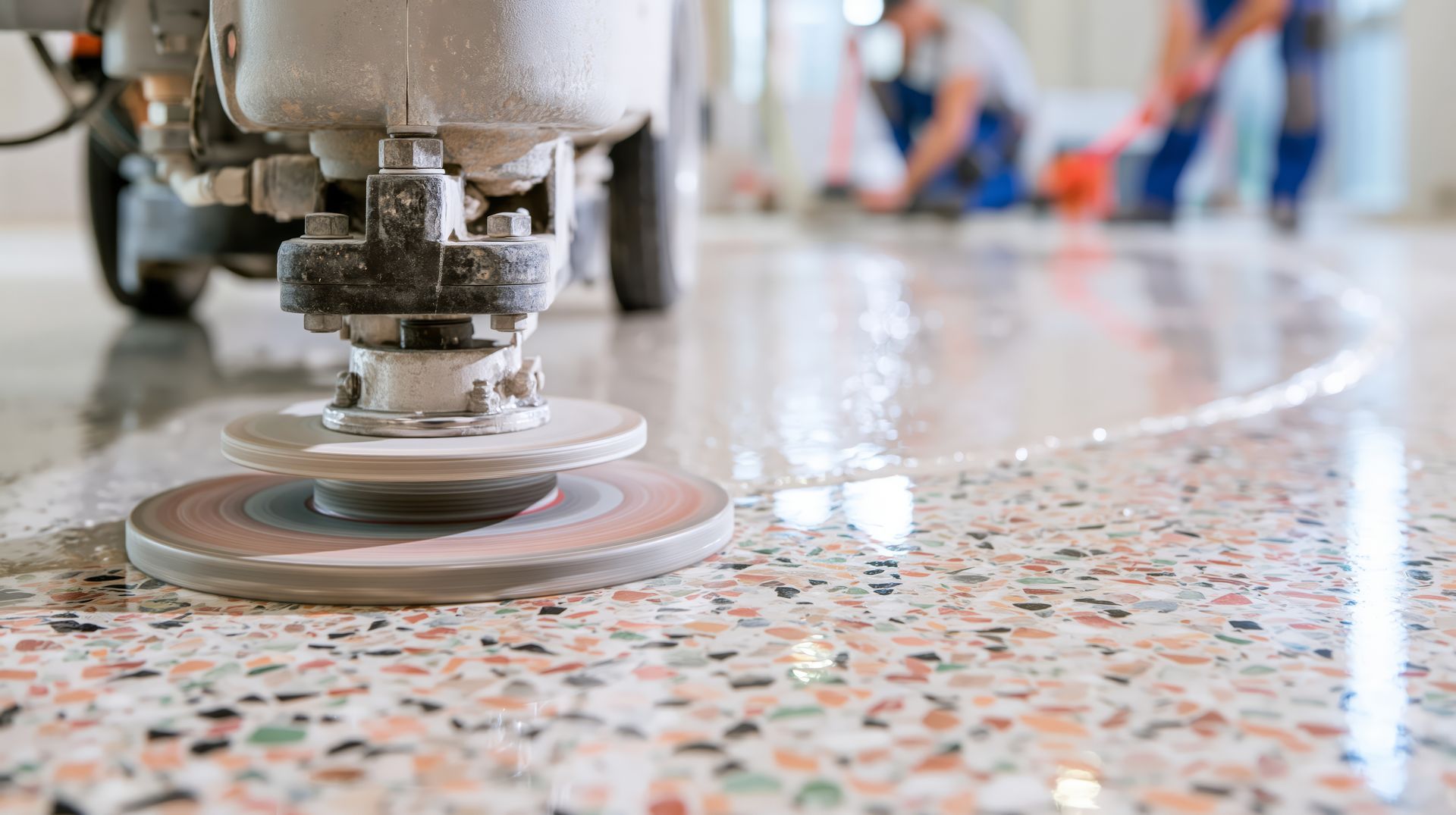
Over time, traditional flooring materials often crack, separate, or degrade under these conditions. Seamless concrete coatings eliminate many of these vulnerabilities by creating a continuous surface that supports both sanitation and durability—especially in high-traffic interior environments.
In healthcare and lab settings, flooring must reliably support:
- Frequent disinfection and sanitation protocols
- Resistance to chemicals and cleaning agents
- Smooth, non-porous surfaces
- Long-term performance under daily use
Flooring that cannot meet these requirements introduces unnecessary risk.
Why Seamless Flooring Improves Hygiene and Compliance
Seamless flooring systems are especially important in environments where infection control is a priority. Joints and seams are common failure points where contaminants can collect and become difficult to remove through routine cleaning.
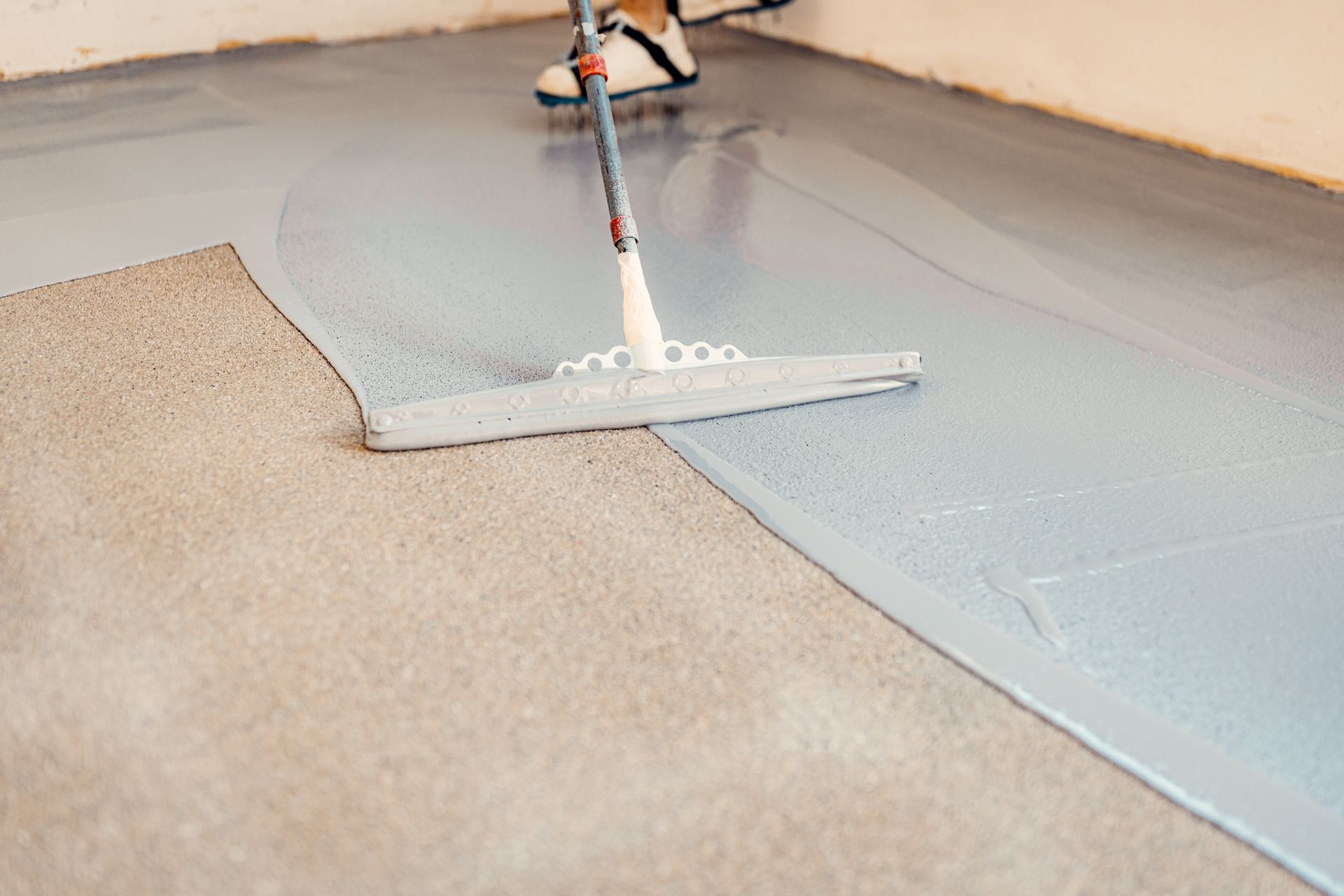
Polyaspartic coatings create a monolithic surface that simplifies sanitation and reduces the likelihood of contamination. This seamless construction allows cleaning teams to disinfect floors efficiently without worrying about hidden buildup, making it ideal for compliance-driven commercial spaces.
From a compliance standpoint, seamless flooring supports hygiene goals by reducing maintenance variables and improving consistency across spaces.
Why Polyaspartic Coatings Are a Strong Fit for Healthcare Floors
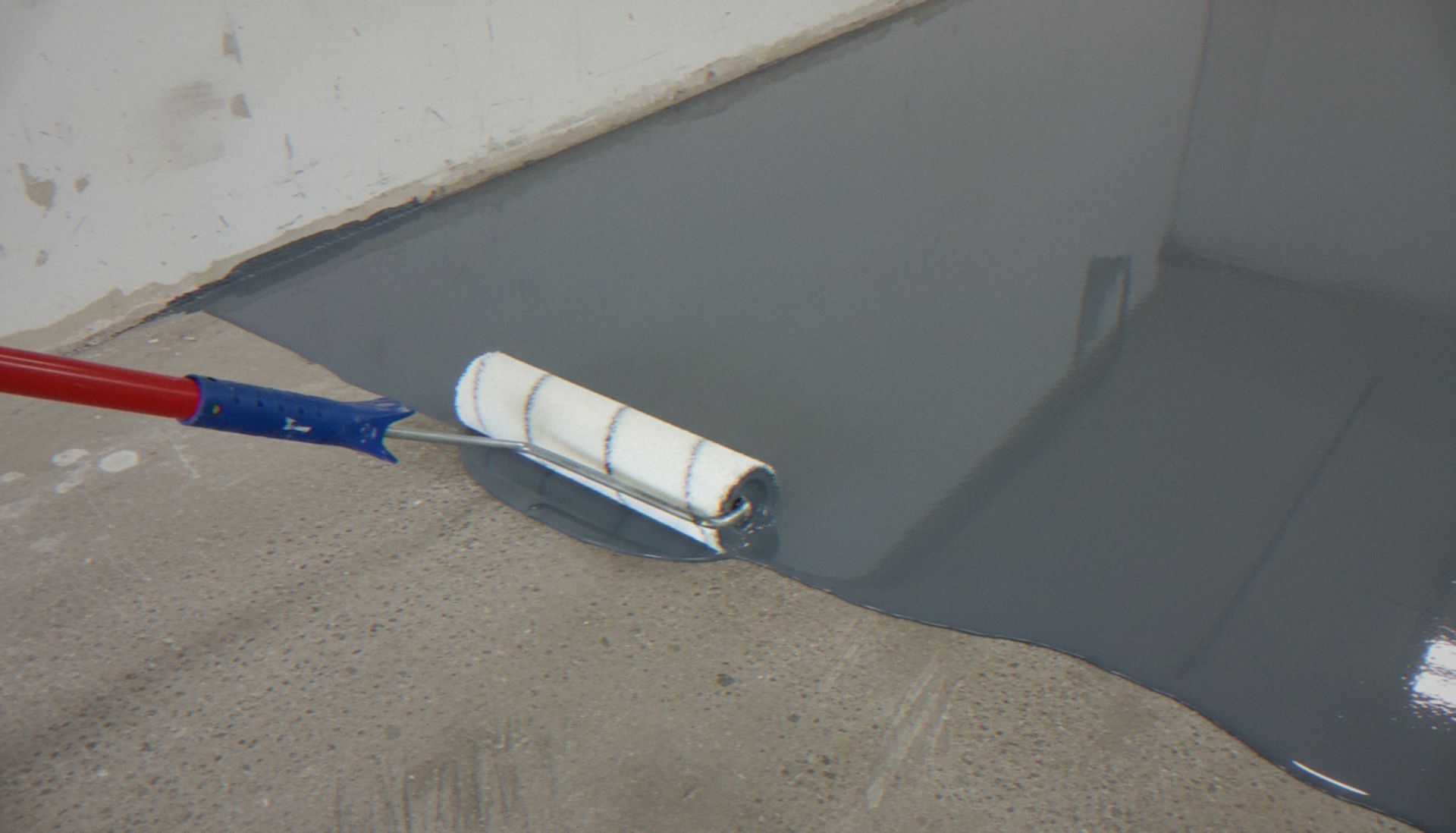
Polyaspartic coatings are a high-performance concrete coating system designed for environments that demand durability, chemical resistance, and fast turnaround times. Unlike traditional epoxy systems, polyaspartic coatings cure quickly and bond tightly to properly prepared concrete.
Facilities comparing systems often review epoxy vs. polyurea and polyaspartic performance differences when making flooring decisions.
For healthcare and lab facilities, polyaspartic coatings provide several critical advantages:
- Seamless, non-porous surfaces that support sanitation
- Resistance to disinfectants and chemical cleaners
- Durability under heavy foot traffic and rolling equipment
- Faster installation with reduced facility downtime
These characteristics make polyaspartic systems well-suited for clinical and laboratory use.
Healthcare Flooring Requirements at a Glance
The table below shows how polyaspartic coatings align with common healthcare and laboratory flooring requirements.
TABLE NEEDS TO GO HERE
Healthcare Flooring Requirement
Why It Matters
How Polyaspartic Coatings Help
Seamless surface
Prevents bacteria and moisture buildup
Creates a continuous, joint-free floor
Chemical resistance
Supports frequent disinfection
Resists cleaners and sanitizers
Easy sanitation
Improves infection control
Smooth, non-porous finish
Durability
Handles traffic and equipment
High-performance wear resistance
Minimal downtime
Reduces disruption
Fast curing and installation
This combination makes polyaspartic coatings a practical solution for compliance-driven environments.
Installation Efficiency and Ongoing Performance
Healthcare and laboratory facilities often have limited tolerance for downtime. Flooring systems that require long curing periods can disrupt operations and patient care.
Polyaspartic coatings cure rapidly compared to many traditional systems, allowing installations to be completed efficiently. Once installed, these coatings are designed for long-term performance with routine cleaning rather than intensive maintenance.
Over time, this reduces repair needs, lowers lifecycle costs, and supports consistent facility standards.
Healthcare & Lab Flooring FAQs
Polyaspartic coatings are commonly used in healthcare and lab environments because they create seamless, non-porous surfaces that support sanitation protocols when professionally installed. They are also designed to withstand rolling equipment, frequent cleaning, and chemical exposure.
Installation timelines depend on project scope, but polyaspartic systems generally allow a faster return to service than traditional coatings. Maintenance typically involves routine cleaning with approved disinfectants, making them practical for busy facilities.
Key Takeaways for Healthcare and Lab Flooring
- Seamless floors support hygiene and infection control
- Polyaspartic coatings resist chemicals and disinfectants
- Fast curing minimizes facility downtime
- Durable surfaces handle traffic and equipment
- Long-term performance reduces maintenance demands
Flooring decisions directly affect compliance and daily operations.
Keas Concrete Coatings provides professional concrete coating services for healthcare facilities, laboratories, and commercial environments in Denver and Colorado Springs, CO. Their polyaspartic floor coating systems deliver seamless, hygienic, and durable surfaces designed to support compliance and operational efficiency. To discuss flooring solutions for your facility, contact Keas Concrete Coatings at 303-999-8121.