Preparing Concrete for Spring Storms: Drainage, Seal & Protect

Spring in Colorado brings relief from winter, but it also introduces a new set of challenges for concrete surfaces. Snowmelt, heavy rain, and rapid temperature swings can push moisture into garages, basements, and other concrete areas around the home. For homeowners in Denver and Colorado Springs planning spring upgrades, this season is the ideal time to think about prevention rather than repair.
Concrete coatings play an important role in protecting floors from water intrusion, staining, and long-term damage during spring storms. This guide explains how coatings help manage moisture, what homeowners should check before storm season begins, and how simple preparation steps can protect concrete surfaces as weather patterns shift.
Why Spring Storms Are Tough on Concrete
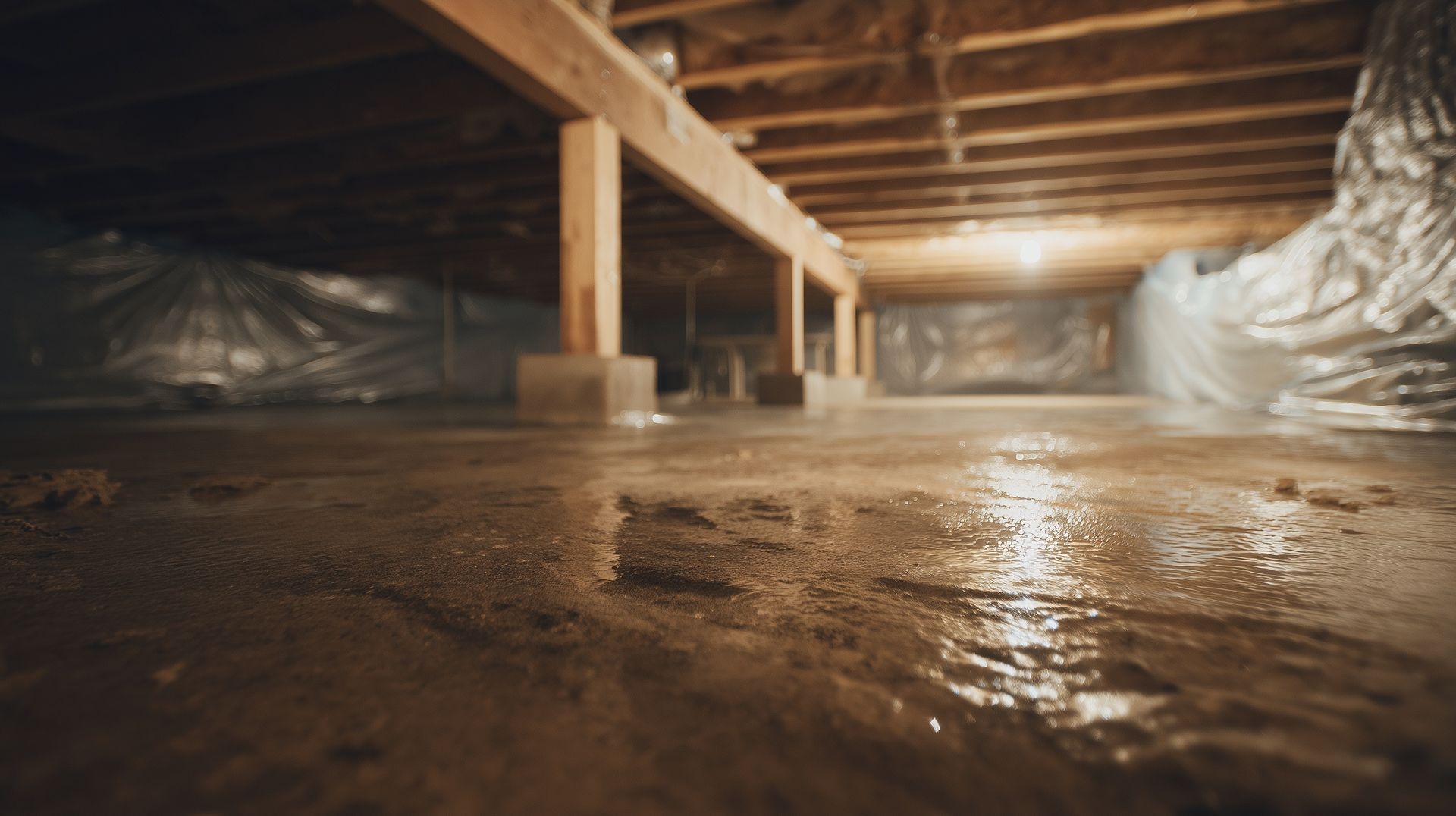
Spring moisture problems often start subtly. Melting snow saturates the ground, rain increases surface runoff, and water looks for the path of least resistance. Garages and basements are especially vulnerable because they sit at or below grade and frequently connect directly to driveways or exterior walkways.
Unprotected concrete absorbs moisture easily. Over time, this can lead to dark staining, surface wear, and even odor issues in enclosed spaces. Spring storms also highlight drainage problems that may have gone unnoticed during drier months.
Spring-related concrete risks often include:
- Water intrusion from snowmelt and rain
- Moisture wicking up through porous concrete
- Surface staining and discoloration
- Increased risk of slippery conditions
Addressing these issues early helps avoid more expensive fixes later in the year.
How Concrete Coatings Help Manage Spring Moisture
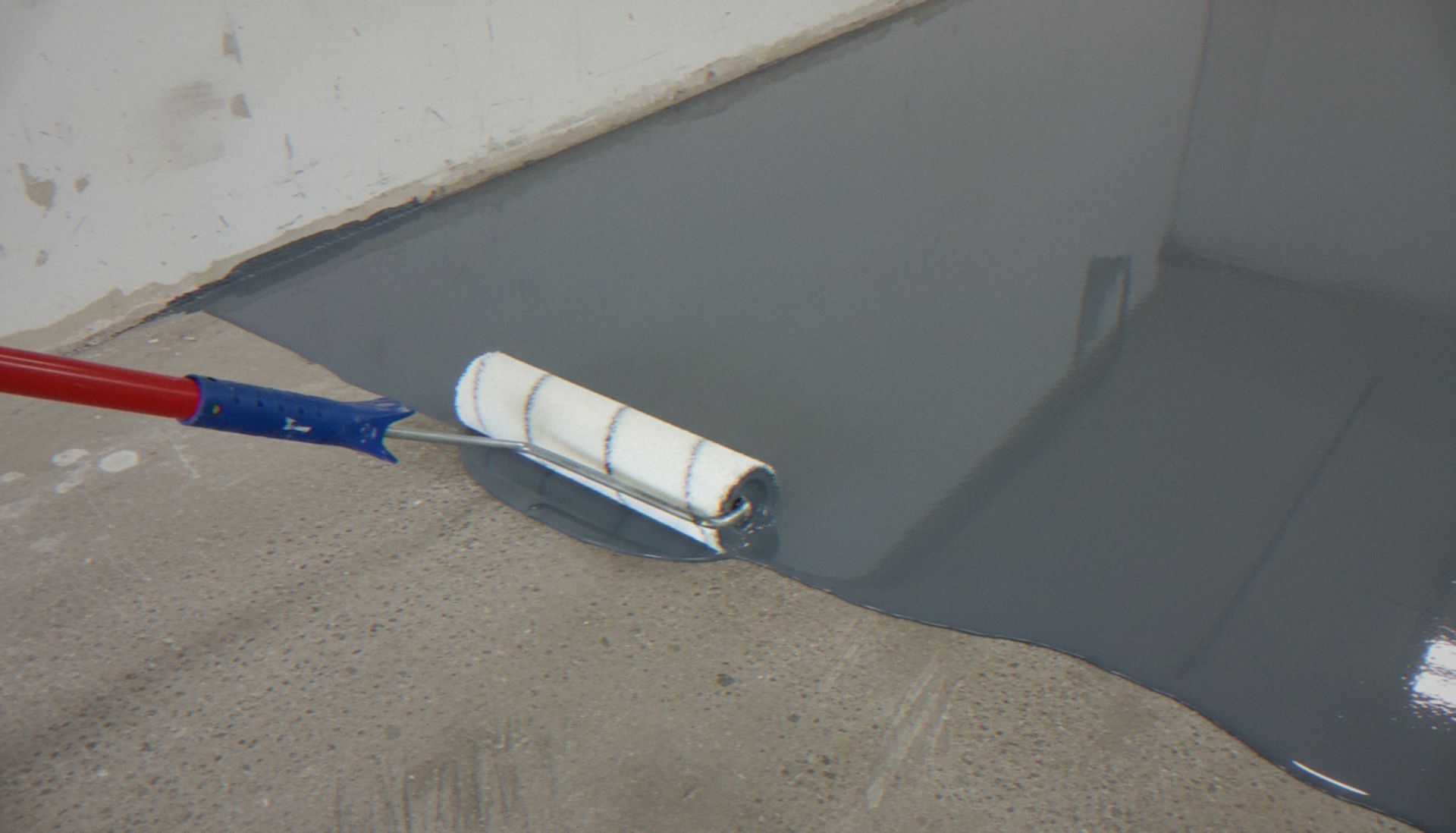
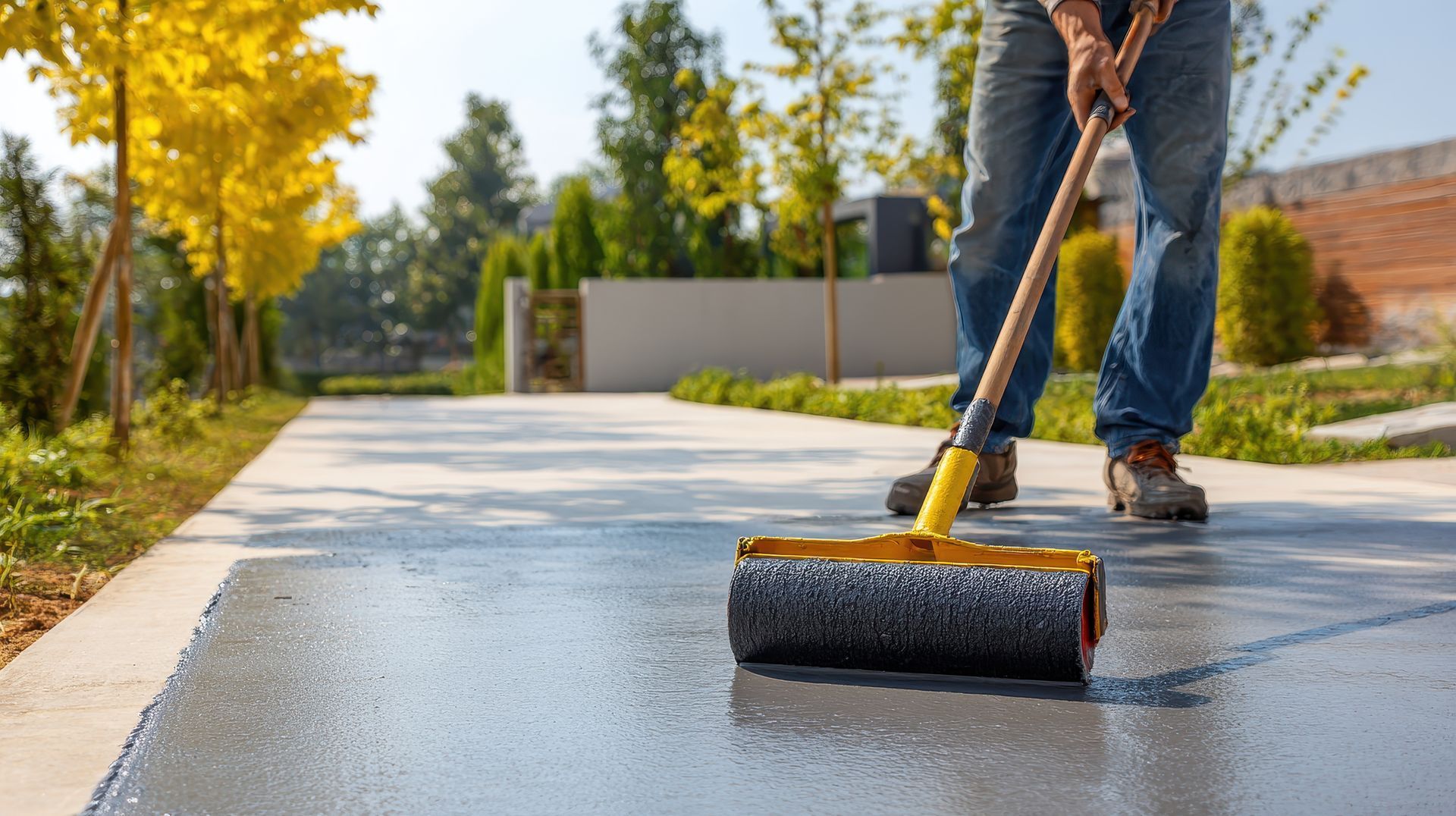
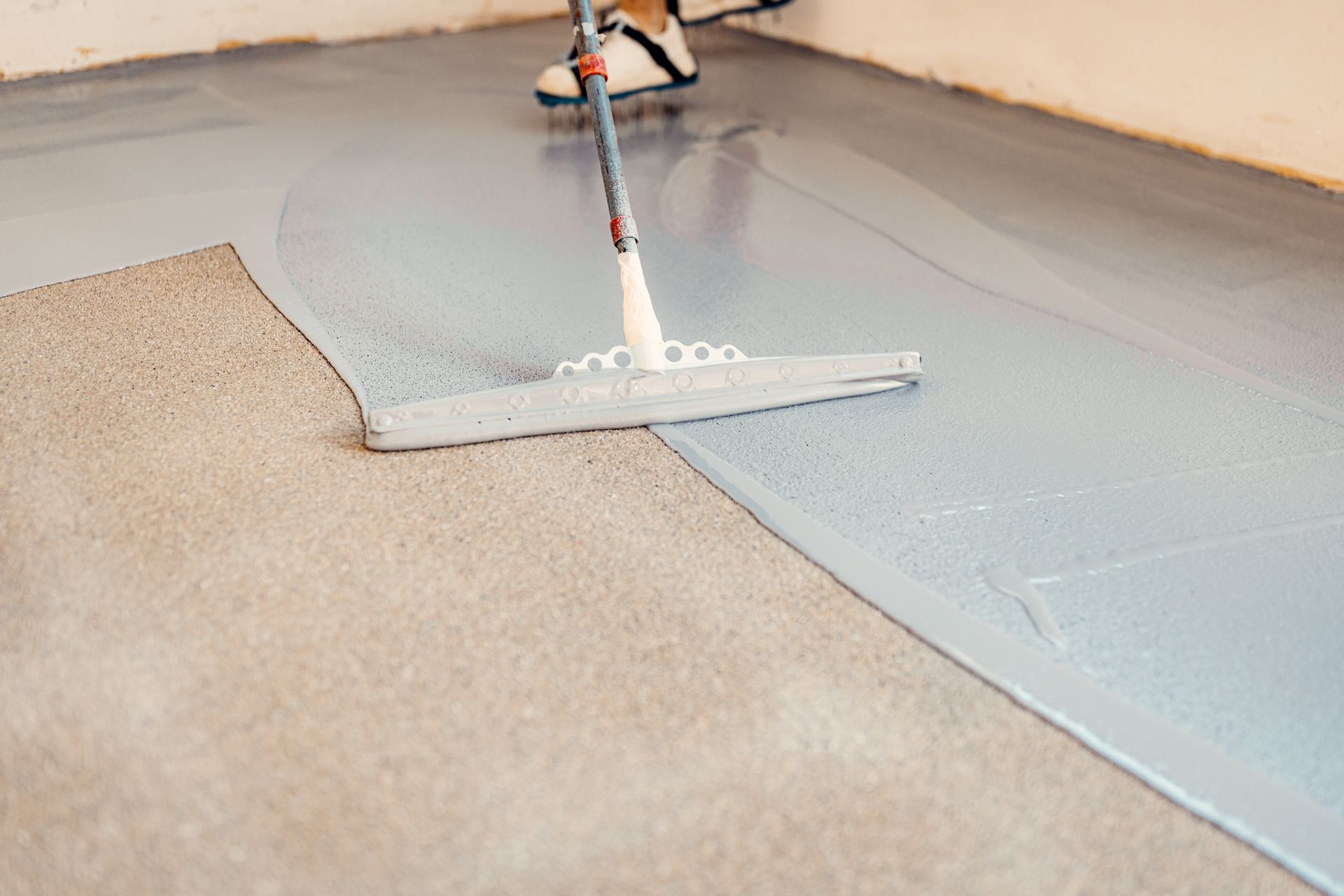
Professionally installed concrete coatings create a sealed, non-porous surface that blocks moisture from penetrating the concrete below. This is especially important during spring, when water exposure increases but temperatures may still fluctuate.
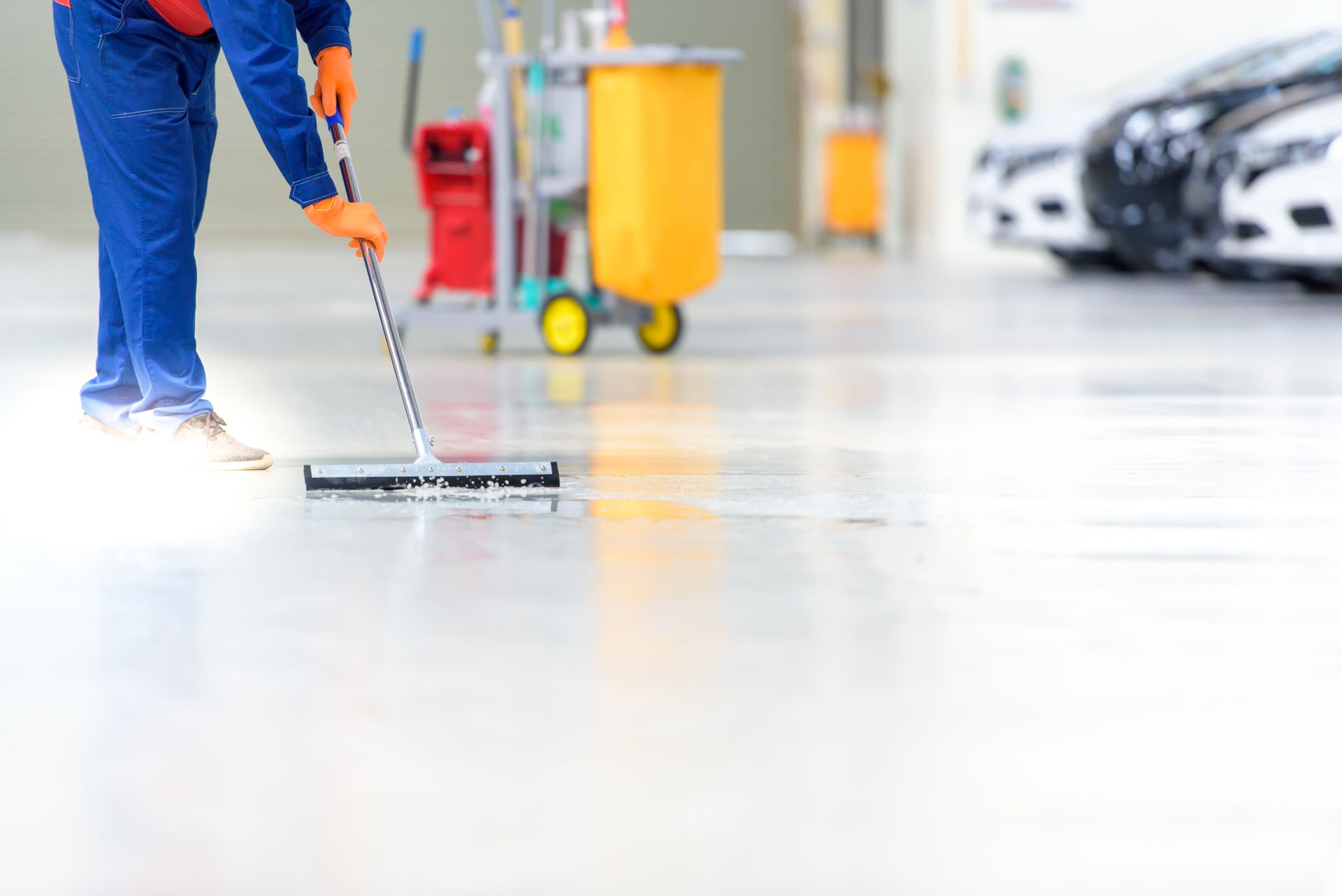
A coated garage or basement floor is easier to dry, easier to clean, and far less likely to absorb water. Instead of soaking in, moisture stays on the surface where it can be managed.
Coatings help protect concrete by:
- Creating a moisture-resistant barrier
- Preventing water absorption and staining
- Improving traction in damp conditions
- Supporting long-term surface durability
This protective layer is a key part of spring storm preparedness.
Pre-Storm Checks Homeowners Should Make
Before spring storms arrive, homeowners should take time to evaluate how water moves around and into their home. This does not require major construction, just awareness and simple observation.
Pay attention to how snowmelt and rain behave around garage doors, entry points, and low areas. Inside, look for signs of moisture retention after storms.
A few smart pre-storm checks include:
- Watching for water pooling near garage thresholds
- Noting damp spots that take a long time to dry
- Checking whether runoff flows toward or away from the structure
These observations help determine whether added protection or upgrades are needed.
Drainage, Sealing, and Protection
Rather than thinking of storm prep as one big project, it helps to view it as three connected steps.
Drainage focuses on directing water away from concrete surfaces. Sealing prevents moisture from entering the concrete itself. Protection ensures the surface remains durable and easy to maintain during wet conditions.
Key spring concrete protection steps include:
- Drainage awareness – Reducing standing water around slabs prevents long-term moisture exposure. Proper grading and runoff control keep water from sitting on surfaces and seeping into joints or cracks.
- Sealing the surface – Applying a protective seal blocks water absorption and creates a non-porous coating barrier. This helps prevent moisture from penetrating the concrete and causing internal damage during future temperature swings.
- Surface protection – A durable, easy-to-clean finish helps prevent wear, staining, and surface deterioration. Protective coatings shield concrete from seasonal debris, chemicals, and heavy foot traffic.
When these elements work together, concrete surfaces are far more resilient during spring storms.
Why Garages and Basements Deserve Special Attention
Garages and basements are often the first places to show moisture issues in spring. Vehicles track in water, snowmelt flows toward garage doors, and basements are naturally cooler and more prone to dampness.
Concrete coatings are especially effective in these spaces because they address both moisture and usability. A coated surface dries faster, resists staining, and reduces the chance of lingering dampness after storms.
For homeowners planning spring upgrades, protecting these areas often delivers the most immediate benefit.
What Not to Rely On During Spring Storm Season
Some homeowners rely on temporary solutions such as mats or towels to manage spring moisture. While these can help short term, they do not address the underlying vulnerability of porous concrete.
Temporary measures alone can:
- Trap moisture against the surface
- Create inconsistent drying patterns
- Mask ongoing water exposure issues
Long-term protection requires addressing the concrete itself, not just what sits on top of it.
FAQs About Spring Concrete Protection
Is spring a good time to install concrete coatings?
Yes. Spring is often ideal for evaluating moisture issues and installing coatings before summer humidity or heavy use increases.
Will a coated garage floor still get wet during storms?
Water can still reach the surface, but it will not soak into the concrete, making cleanup faster and reducing damage.
Do coatings help with snowmelt as well as rain?
Yes. Coatings protect against all forms of moisture, including melting snow carried in by vehicles.
Can coatings help prevent basement dampness?
While coatings do not replace proper drainage systems, they help block moisture from entering through the concrete surface.
Is storm prep only necessary for older homes?
No. Even newer homes can experience moisture issues depending on grading, drainage, and usage patterns.
Key Takeaways for Spring Storm Preparation
- Spring storms increase moisture exposure for concrete
- Unsealed concrete absorbs water and stains easily
- Professional coatings create a protective, non-porous barrier
- Garages and basements are high-priority areas
- Preventative upgrades reduce long-term repair needs
Preparing now helps concrete surfaces perform better all year.
Keas Concrete Coatings helps homeowners in Denver and Colorado Springs, CO protect garages, basements, and interior concrete floors from spring moisture and storm-related damage. Their professional concrete coating systems are designed to seal, protect, and extend the life of concrete surfaces through Colorado’s changing seasons.
To prepare your concrete for spring storms or explore waterproof garage and basement floor coating options,
contact Keas Concrete Coatings at 303-999-8121.