Why Garage Floor Coatings Fail After Winter in Colorado
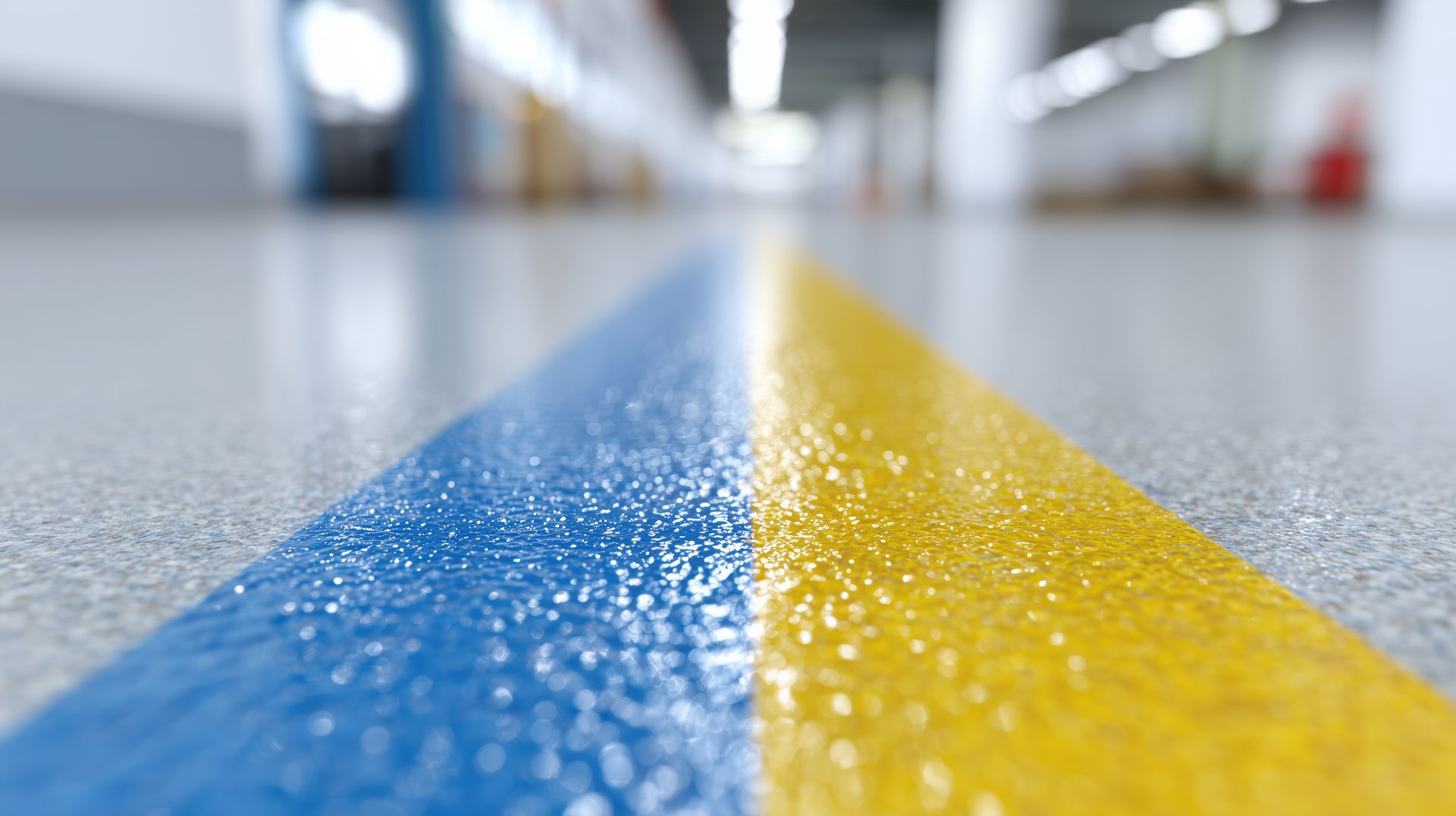
Garage floor coatings are designed to protect concrete, improve durability, and enhance the appearance of a garage. However, many Colorado homeowners notice that their garage floor coating begins to peel, bubble, or deteriorate shortly after winter.
While coatings are marketed as long-lasting solutions, harsh winter conditions in Colorado can expose weaknesses in installation, materials, or surface preparation.
Understanding why garage floor coatings fail after winter can help homeowners avoid costly repairs and choose coating systems that perform well in Colorado’s climate. Factors such as road salt, moisture intrusion, and freeze-thaw cycles play a major role in winter-related coating damage.
By identifying the most common causes of garage floor coating problems, homeowners can better protect their concrete and extend the life of their garage floor.
How Colorado Winters Stress Garage Floors
Colorado winters create a combination of environmental conditions that are particularly hard on concrete surfaces. Vehicles bring snow, ice, road salt, and moisture into garages on a daily basis. These materials accumulate on the garage floor and interact with the concrete beneath the coating.
Several environmental factors contribute to winter-related coating damage:
- Deicing salts and road chemicals carried in by vehicles
- Frequent temperature swings that cause freeze-thaw cycles
- Moisture trapped beneath coatings during winter conditions
Over time, these factors can weaken the bond between the coating and the concrete surface. When the bond breaks down, coatings may begin to peel, blister, or delaminate.
Salt Damage and Chemical Exposure
One of the most common reasons for garage floor coating peeling in Colorado is exposure to road salt and deicing chemicals.
During winter, vehicles track large amounts of salt into garages. When snow and ice melt off vehicles, salt dissolves into the water that sits on the garage floor. This salty moisture can seep into tiny pores or cracks in the concrete.
Salt exposure can affect coatings in several ways:
- Breaking down weaker coating materials
- Increasing moisture absorption in the concrete
- Accelerating deterioration of improperly sealed floors
Lower-quality coatings often struggle to withstand repeated exposure to deicing chemicals. Over time, the surface may begin to flake or lose adhesion. Homeowners researching garage floor coatings and the best options often find that material quality plays a major role in long-term durability.
Moisture Intrusion Beneath the Coating
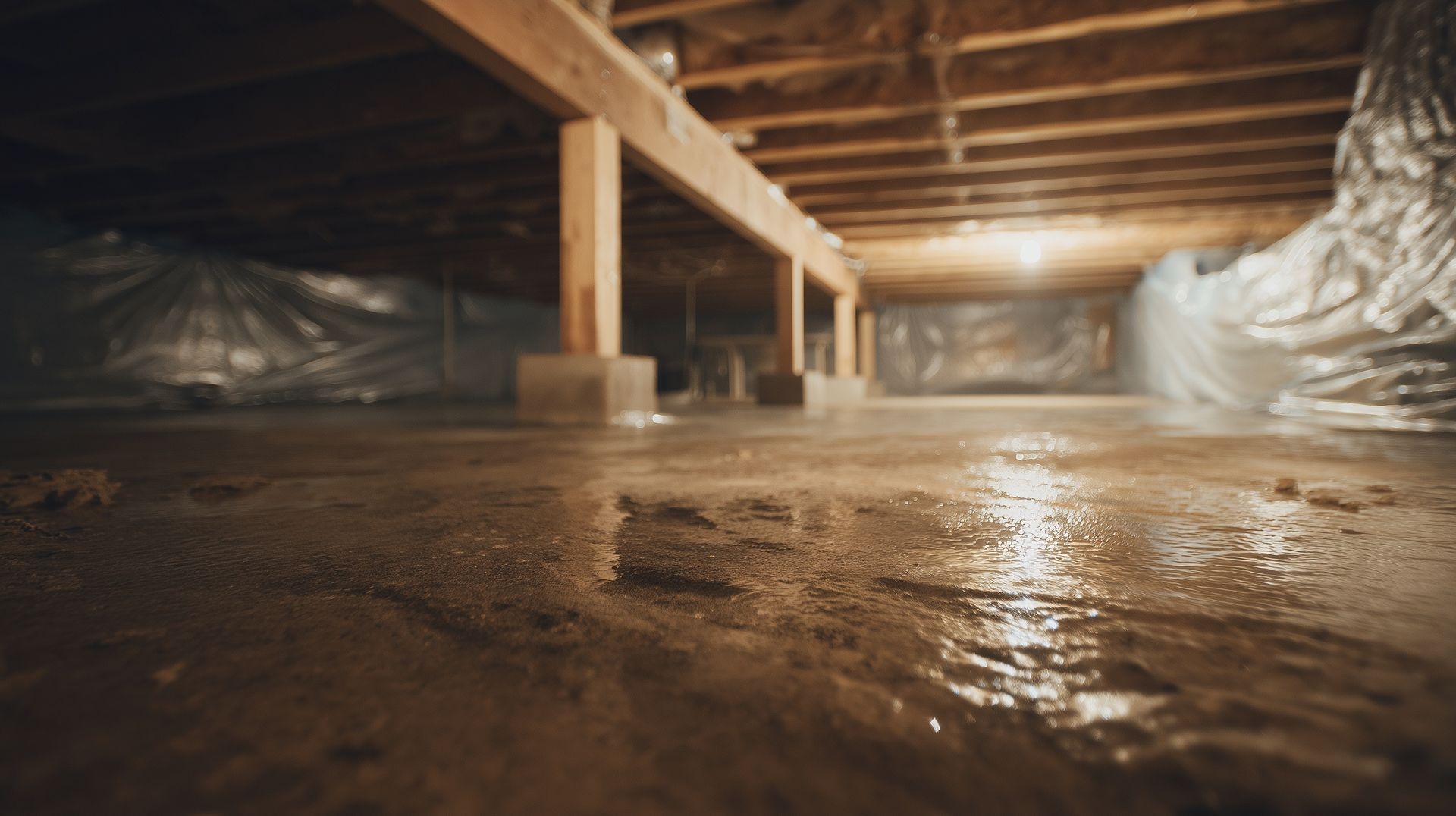
Moisture is another major cause of concrete coating failure in garages. Even when coatings appear solid on the surface, water can sometimes work its way underneath.
During winter, moisture commonly enters garage floors from:
- Snow melting off parked vehicles
- Ground moisture rising through concrete slabs
- Small cracks or imperfections in the coating surface
When moisture becomes trapped between the concrete and the coating layer, it can weaken adhesion. This often leads to bubbling, blistering, or sections of coating separating from the concrete.
Moisture problems are especially common when coatings are applied to concrete that was not properly prepared before installation.
Freeze-Thaw Cycles and Concrete Movement
Colorado is known for its rapid temperature fluctuations, particularly during late winter and early spring. It is common for temperatures to swing from freezing overnight to much warmer conditions during the day.
These temperature changes cause water within the concrete to repeatedly freeze and thaw.
Freeze-thaw cycles can damage coatings in several ways:
- Expanding ice can push against the coating from below
- Repeated expansion and contraction stress the bond between the coating and concrete
- Small cracks may widen over time
If a coating does not have enough flexibility or if the concrete surface was not properly prepared, these cycles can eventually cause the coating to lift or peel.
Poor Surface Preparation Before Installation
While winter conditions can be harsh, many garage floor coating failures are actually caused by improper installation rather than climate alone.
Concrete coatings must bond directly with the concrete surface. If the concrete is not properly cleaned and prepared, the coating may only adhere to surface contaminants instead of the concrete itself.
Common surface preparation problems include:
- Oil or grease left on the concrete surface
- Dust or debris is preventing proper bonding
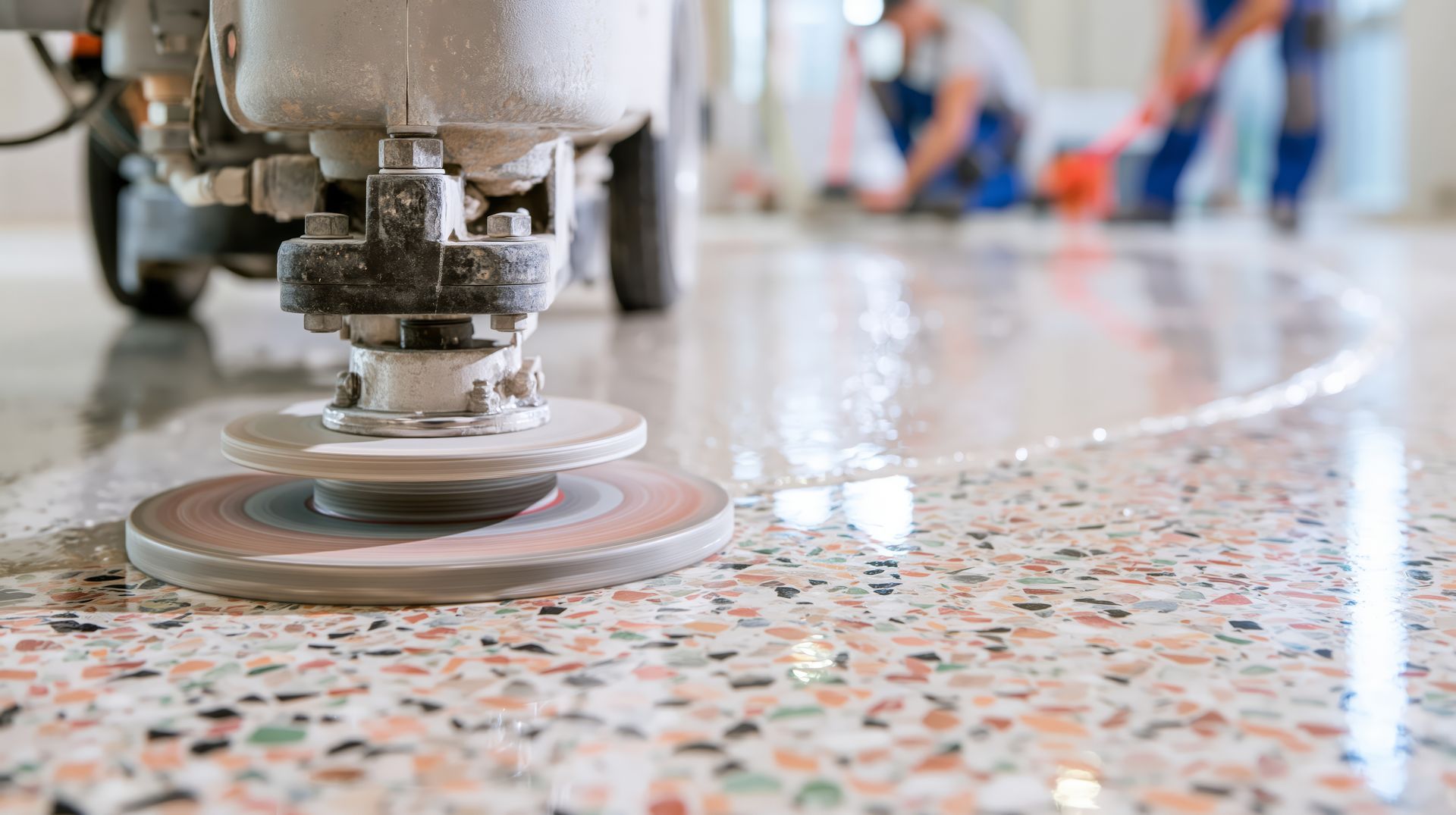
- Concrete that was not mechanically ground before coating
Without proper preparation, even high-quality coating materials may begin to fail within a few seasons. Professional installers typically follow a specialized preparation method like the process explained in Keas Concrete Coatings’ installation process to ensure proper bonding.
Applying Coatings in Poor Weather Conditions
Timing also plays a major role in coating performance. Concrete coatings must be applied under specific temperature and humidity conditions to cure properly.
If coatings are installed when temperatures are too low or when moisture is present in the concrete, adhesion problems can occur.
Improper curing conditions may lead to:
- Weak bonding between the coating and concrete
- Increased risk of moisture being trapped beneath the coating
- Reduced durability over time
Professional installers carefully monitor weather conditions before applying coatings to ensure the material cures correctly.
Low-Quality Coating Materials
Not all garage floor coatings are designed to handle extreme environments. Some DIY products or low-cost coatings may work well in mild climates but struggle under Colorado’s winter conditions.
Lower-grade materials may be more vulnerable to:
- Salt damage
- Temperature fluctuations
- Moisture penetration
High-performance coating systems are typically formulated to resist chemical exposure and withstand the stress of freeze-thaw cycles. Many homeowners compare systems such as epoxy and polyurea, which is why guides like polyurea vs epoxy coatings for Denver floors can be helpful when choosing a durable solution.
Homeowners should be cautious when selecting coating systems that prioritize low cost over durability.
Warning Signs Your Garage Floor Coating Is Failing
Early signs of coating failure often appear soon after winter ends. Homeowners should watch for several warning signs that indicate the coating bond may be weakening.
Common symptoms include:
- Peeling or flaking sections of the coating
- Bubbling or blistering on the surface
- Discoloration or chalky residue
Addressing these problems early can sometimes prevent more extensive damage to the underlying concrete.
Preventing Winter Damage to Garage Floor Coatings
While Colorado winters are demanding, proper installation and maintenance can significantly extend the life of a garage floor coating.
Homeowners can help protect their garage floor by:
- Removing excess snow and salt buildup during winter
- Cleaning the garage floor regularly to remove chemicals
- Ensuring coatings are professionally installed on properly prepared concrete
Proper seasonal maintenance is also important, which is why many homeowners follow tips for
winter care for Colorado garage floors to reduce salt and moisture damage.
High-quality coatings that are designed for harsh climates are far more resistant to winter damage than basic epoxy products or DIY solutions.
Why Professional Installation Matters
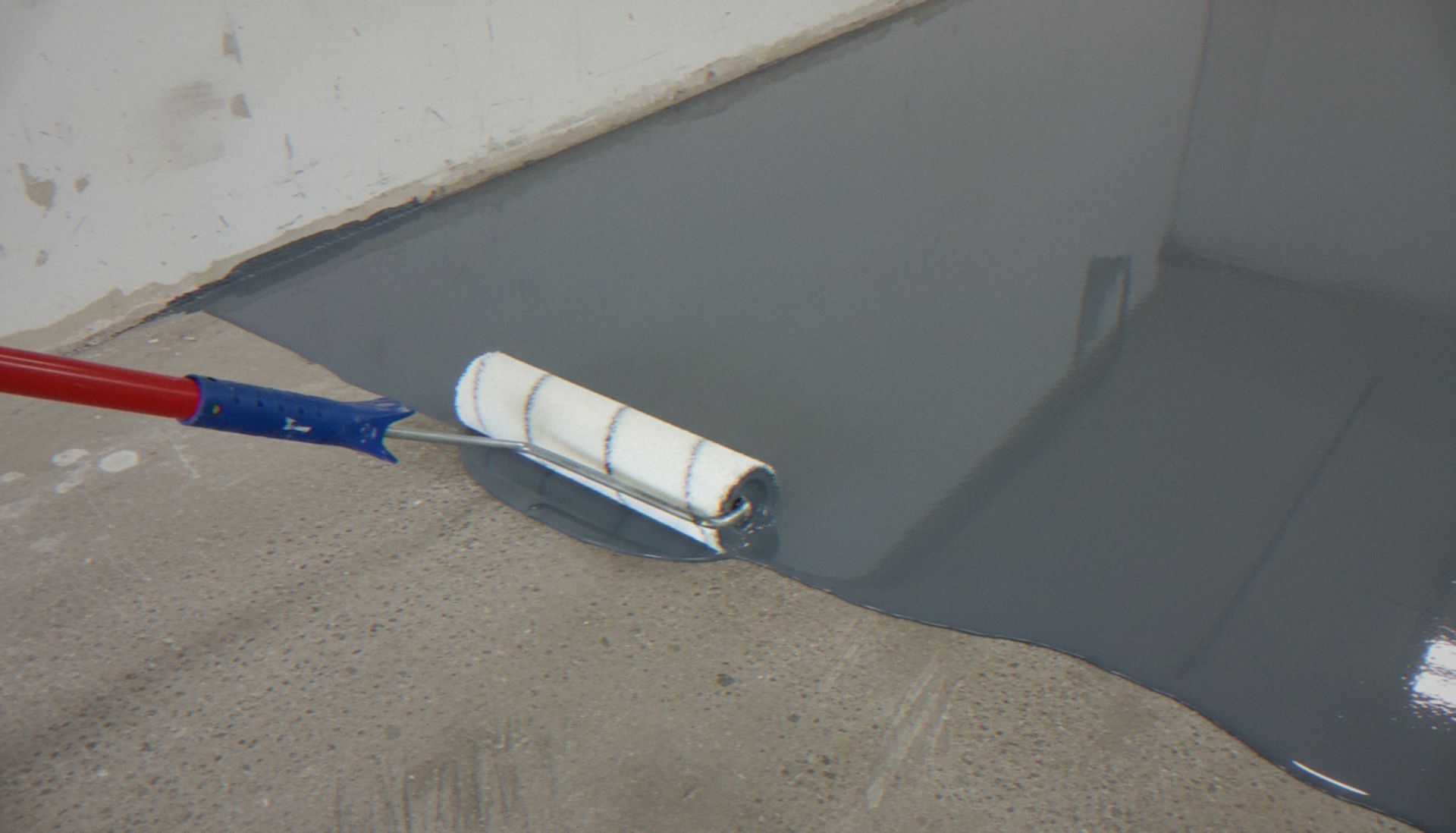
Garage floor coatings are often marketed as simple upgrades, but long-term performance depends heavily on proper installation techniques. Surface preparation, moisture testing, and material selection all play a critical role in how well the coating performs.
Professionally installed coatings typically include steps such as mechanical grinding of the concrete surface, moisture testing, and application of high-performance coating systems designed for Colorado’s climate.
These steps help ensure the coating bonds properly and remains durable through multiple winter seasons.
Frequently Asked Questions About Garage Floor Coating Problems
Why is my garage floor coating peeling after winter?
Peeling coatings are often caused by moisture intrusion, salt exposure, freeze-thaw cycles, or improper surface preparation during installation.
Can road salt damage garage floor coatings?
Yes. Deicing salts can weaken certain coatings and allow moisture to penetrate the concrete, which may lead to coating failure over time.
Are freeze-thaw cycles harmful to coated garage floors?
Freeze-thaw cycles can stress the bond between the coating and the concrete. If water is present beneath the coating, expanding ice can cause it to lift or peel.
Can peeling garage floor coatings be repaired?
In some cases, damaged coatings can be repaired, but extensive peeling may require removing the old coating and installing a new system.
How long should a garage floor coating last in Colorado?
When properly installed using high-quality materials, many garage floor coatings can last for years, even in Colorado’s challenging winter climate.
Protecting Your Garage Floor from Colorado Winters
Garage floors in Colorado face constant exposure to moisture, road salt, and temperature fluctuations during winter. When coatings are poorly installed or made with low-quality materials, these conditions can quickly cause peeling, bubbling, or surface deterioration.
Understanding the causes of winter garage floor damage helps homeowners make better decisions about coating systems and installation methods. With proper surface preparation, high-performance materials, and professional installation, garage floor coatings can withstand the challenges of Colorado’s climate.
Keas Concrete Coatings helps homeowners protect their garage floors with durable coating systems designed for long-term performance in Colorado’s demanding environment. Professional installation and climate-specific materials help ensure that garage floors remain strong, attractive, and resistant to winter damage.