What Is Quartz Pool Deck Coating? Benefits for Slip Resistance and Durability

When homeowners start researching pool deck coating options, quartz systems come up consistently as a top recommendation for wet outdoor surfaces. When Keas Concrete Coatings talks with Colorado homeowners about pool deck projects, quartz broadcast coatings are one of the most frequent conversations because the combination of traction, durability, and design flexibility they provide addresses exactly what a pool deck in this climate needs.
Understanding what quartz pool deck coating actually is, how it works, and why it performs well in Colorado's outdoor environment helps homeowners evaluate their options with enough context to make a confident decision about what goes on one of the most used surfaces on their property.
What Quartz Pool Deck Coating Actually Is
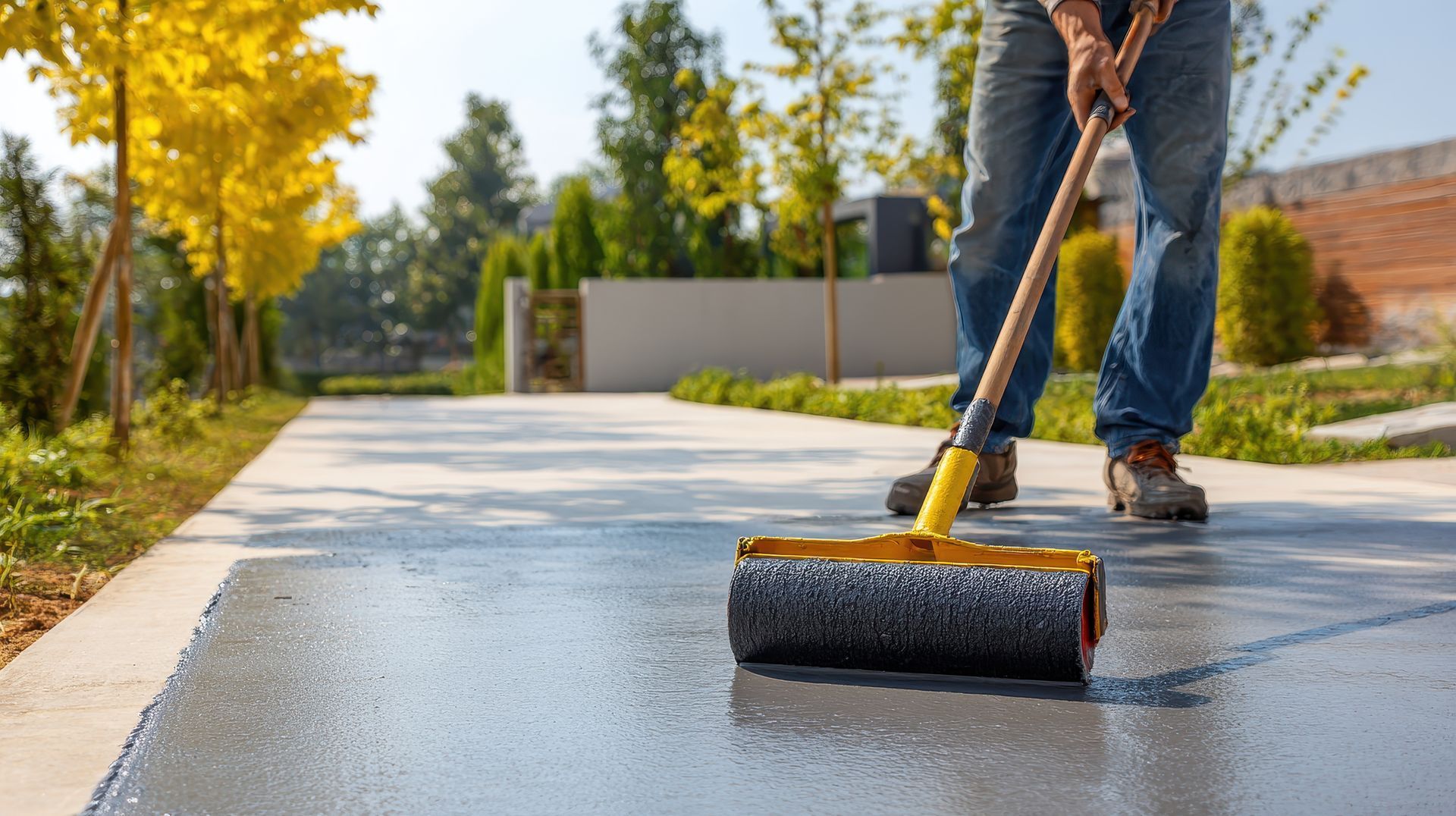
Quartz pool deck coating is not a single product but a coating system that combines a base coating layer, a broadcast layer of quartz aggregate particles, and a topcoat that seals and protects the finished surface. The quartz aggregate is the defining component of the system and the source of most of its performance advantages.
Quartz is a naturally hard mineral that is chemically inert, UV stable, and highly resistant to the abrasion and chemical exposures that pool decks experience. When broadcast across a wet coating layer at controlled density and then sealed with a protective topcoat, quartz particles create a surface that is simultaneously textured for traction, durable against foot traffic and outdoor conditions, and visually uniform in a way that aggregate coatings using less consistent materials cannot achieve.
The system works mechanically by embedding the aggregate in the coating matrix rather than simply scattering it across the top of a cured surface. This embedding creates a three-dimensional texture profile that is locked into the coating system rather than sitting on top of it, which is why properly installed quartz coatings maintain their traction characteristics over years of use rather than wearing smooth as the aggregate loosens and washes away.
How to choose the right concrete coating for your space provides a broader context on matching coating systems to specific use requirements, and for pool decks, the quartz broadcast system's combination of wet traction and outdoor durability makes it one of the most consistently appropriate recommendations.
Why Slip Resistance Is the Primary Performance Driver for Pool Decks
A pool deck is one of the few residential surfaces where slip resistance is a genuine safety requirement rather than simply a nice-to-have performance attribute. The combination of water, bare feet, children running, and hard concrete creates an environment where inadequate traction has real injury consequences, and the coating system's ability to maintain grip under continuously wet conditions is the performance specification that matters most.
Quartz aggregate creates slip resistance through mechanical means rather than chemical treatment. The angular surfaces of quartz particles provide friction against bare feet and wet soles that smooth or polished surfaces cannot. Unlike anti-slip additives that coat the surface and can wear away over time, quartz aggregate that is properly embedded in the coating system maintains its mechanical grip characteristics as long as the coating system remains intact.
The ANSI A326.3 wet Dynamic Coefficient of Friction standard provides a measurable benchmark for wet traction in floor coatings. Pool deck surfaces should meet or exceed a wet DCOF of 0.42, and professionally installed quartz broadcast systems typically achieve values well above this threshold. The specific aggregate particle size and broadcast density affect the exact value achieved, which is why professional specification of the quartz system for the intended use matters rather than applying a generic product at whatever density is convenient.
Comfort alongside traction is a consideration that distinguishes quartz systems from coarser aggregate options. Finer quartz particles provide adequate traction while remaining comfortable underfoot for bare feet, which matters on a pool deck where people spend extended time barefoot in a way they do not on a commercial warehouse floor, where coarser aggregate would be appropriate. Why slip-resistant flooring is a must for retail spaces covers the slip resistance standards that apply in commercial contexts, and the same principles inform pool deck specification, where safety requirements are equally non-negotiable.
Durability Advantages of Quartz Coating Systems
Beyond traction, quartz pool deck coatings deliver durability advantages that directly affect the long-term performance and maintenance requirements of the surface.
Abrasion resistance is the first durability dimension. Pool decks experience constant foot traffic, furniture movement, and the abrasive contact of wet bathing suits and towels dragged across the surface. Quartz is one of the hardest common minerals, rating 7 on the Mohs hardness scale, which means it resists surface abrasion significantly better than softer aggregate materials and better than smooth coating systems without aggregate. A quartz-coated pool deck surface does not wear smooth under normal use in the way that purely film-forming coatings can.
Chemical resistance is the second durability dimension that matters specifically for pool decks. Pool water containing chlorine, pH adjustment chemicals, and algaecides is more chemically aggressive than plain water, and it concentrates on the deck surface as splashed water evaporates and leaves chemical residue behind. Quartz aggregate is chemically inert and does not react with pool chemicals, and the topcoat sealers used in quality quartz systems are formulated for resistance to the specific chemical exposures of pool environments.
UV stability is the third durability dimension that Colorado homeowners should evaluate carefully. Quartz itself is UV stable and does not degrade under UV exposure, which is why quartz aggregate systems maintain their surface texture and grip characteristics through multiple seasons of Colorado's high-altitude UV environment. The topcoat sealer used over the quartz layer needs to be equally UV stable to prevent yellowing, chalking, or surface degradation that would compromise both the appearance and the protective function of the system. The long-term benefits of choosing Keas Concrete Coatings covers the durability considerations that distinguish professional coating systems from consumer-grade alternatives across outdoor and high-demand applications.
Design Flexibility Within Quartz Coating Systems
Quartz pool deck coatings are sometimes assumed to be limited in design options because their performance is driven by the aggregate component. In practice, quartz systems offer meaningful design flexibility that allows homeowners to achieve a pool deck appearance that complements the overall outdoor living aesthetic of their property.
Color options in quartz aggregate systems come from two sources: the pigmentation of the base coating and topcoat layers, and the natural and dyed color variations available in quartz aggregate itself. The combination of these variables allows quartz systems to be specified in a range of tones from neutral grays and tans to warmer earth tones and cooler blues that complement pool water color. Blend combinations that mix two or more quartz colors in the broadcast layer create a more complex, natural-looking surface texture than single-color broadcasts.
The broadcast density and particle size specification affect both the visual texture of the finished surface and its traction characteristics. A denser broadcast with finer aggregate creates a more uniform, refined appearance with moderate traction. A less dense broadcast with slightly coarser aggregate creates a more pronounced texture profile with higher traction values. Professional specification balances these variables for the specific aesthetic and performance requirements of each project.
Border and pattern treatments using contrasting quartz blends or complementary coating colors can define zones within the pool deck, separate the deck surface from coping or adjacent hardscape, and add visual interest to large deck areas that would otherwise be uniform in appearance. The gallery of completed projects shows the range of design outcomes achievable with professional quartz coating systems across residential outdoor applications.
How Quartz Compares to Other Pool Deck Coating Options
Understanding how quartz broadcast systems compare to the other coating options commonly considered for pool decks helps homeowners make an informed comparison.
Smooth polyurea or epoxy systems without aggregate provide excellent chemical resistance and durability but do not achieve the wet traction values of quartz broadcast systems without the addition of anti-slip additives. Anti-slip additives mixed into the topcoat provide some wet traction improvement but typically do not match the consistent, long-lasting grip of embedded quartz aggregate. For pool decks where wet traction is the primary safety requirement, smooth film-forming systems are generally less appropriate than aggregate broadcast systems.
Stamped or textured concrete overlays can provide traction through their surface relief but are typically more expensive than quartz broadcast systems, more complex to maintain, and more vulnerable to the UV and chemical exposures of pool environments unless sealed with a coating system that addresses those exposures specifically. The texture of a stamped overlay also creates low points that collect debris and pool chemical residue in ways that the more uniform surface of a quartz broadcast does not.
Painted or stained concrete provides color without meaningful traction improvement and is generally not a durable solution for pool deck surfaces that experience the UV, chemical, and abrasion exposures described above. Paint and stain systems on pool decks typically require annual maintenance and reapplication, which a quality quartz coating system does not. Polyurea vs epoxy and why polyurea is the stronger choice for Denver floors covers the coating system comparison in the context of the base layer options that quartz broadcast systems build on.
The Installation Process for Quartz Pool Deck Coatings
Understanding the installation process helps homeowners set realistic expectations for the project timeline and the importance of professional installation quality.
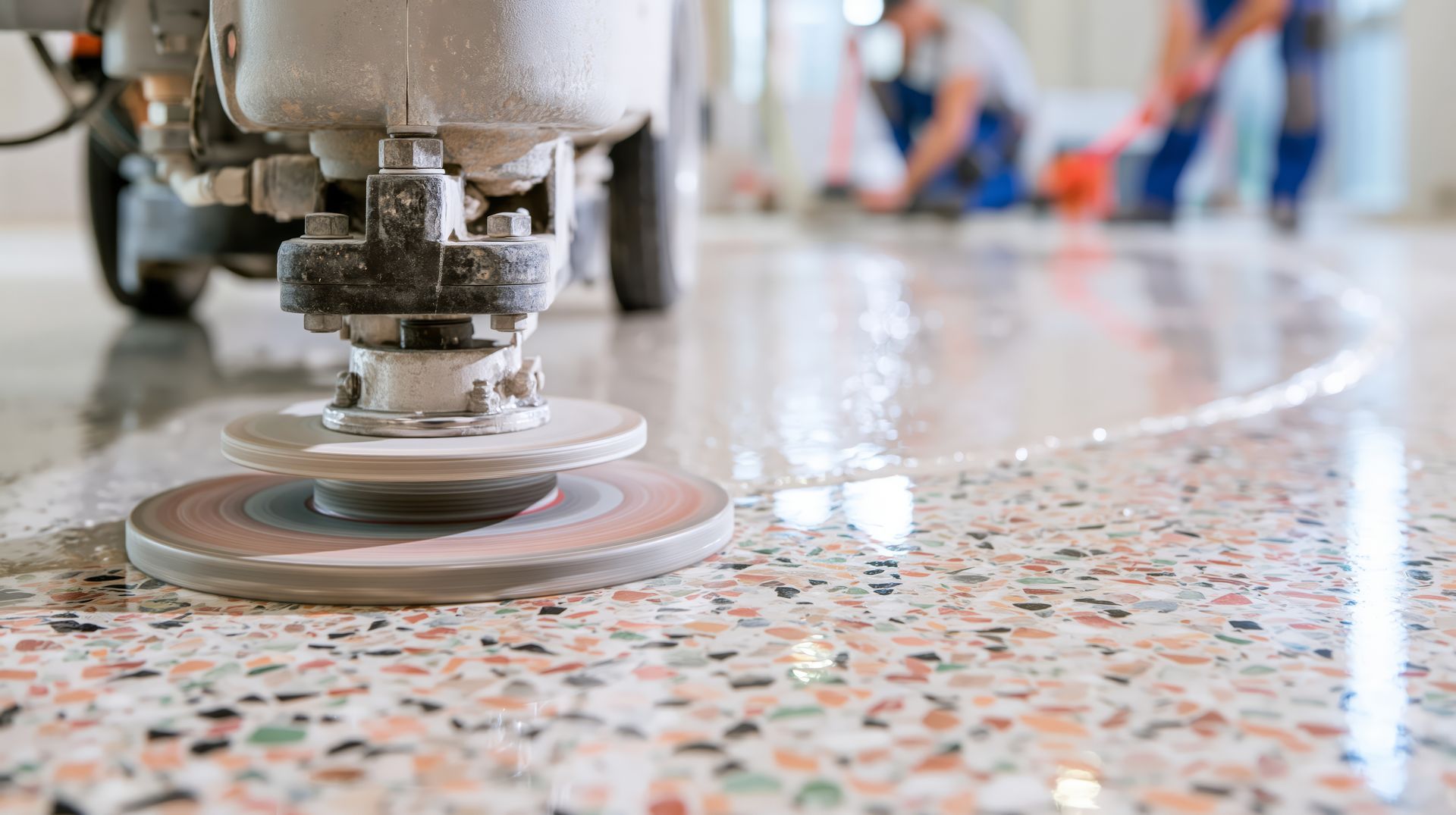
Surface preparation is the foundation of a successful quartz coating installation. The pool deck concrete needs to be diamond ground or shot blasted to remove existing sealers, chemical residue, and surface laitance, and to create the mechanical bond profile the coating system requires. Cracks and joints need to be repaired before coating application. Moisture testing should confirm that the concrete's moisture content is within the acceptable range for the specific coating system being applied.
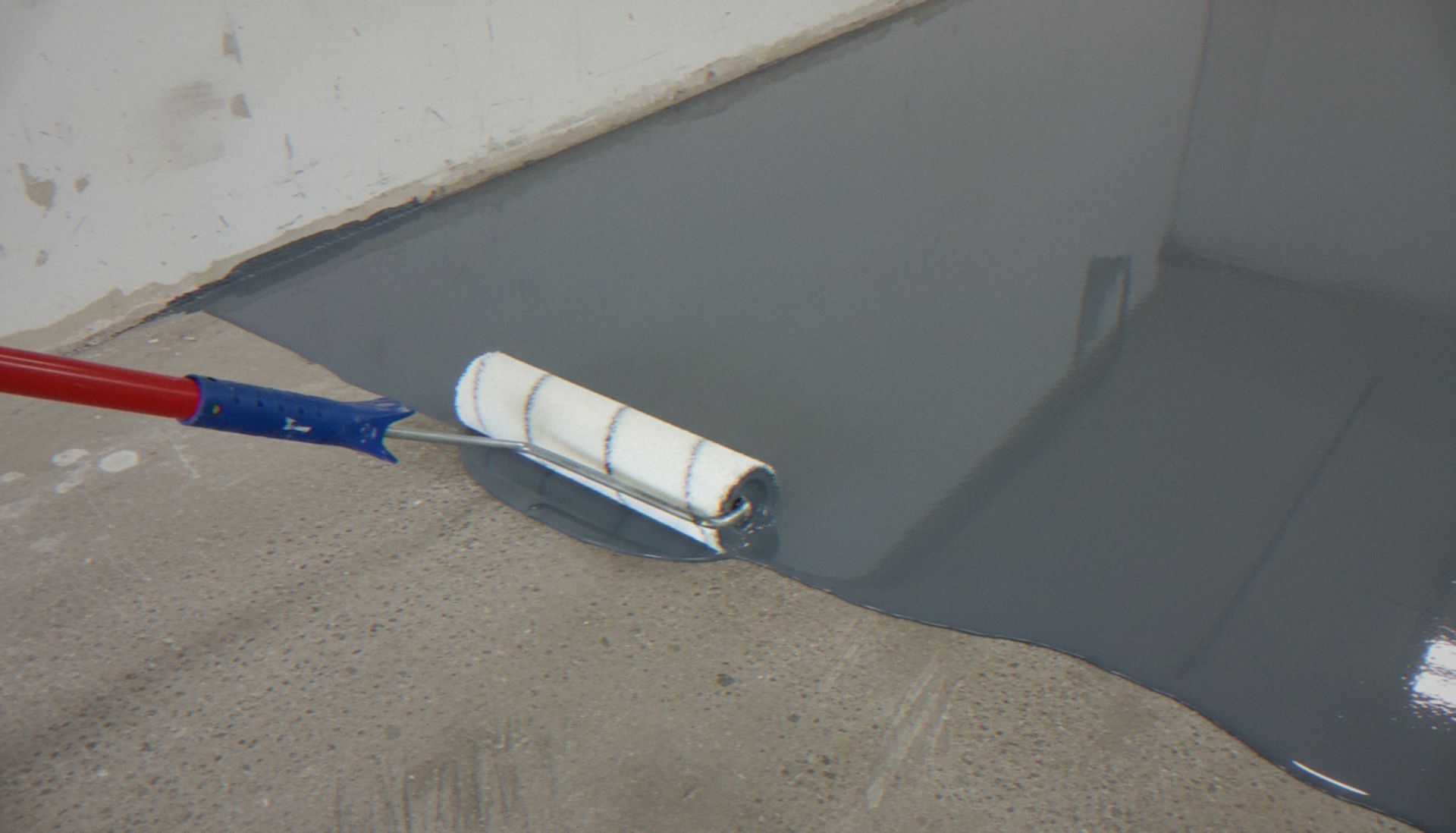
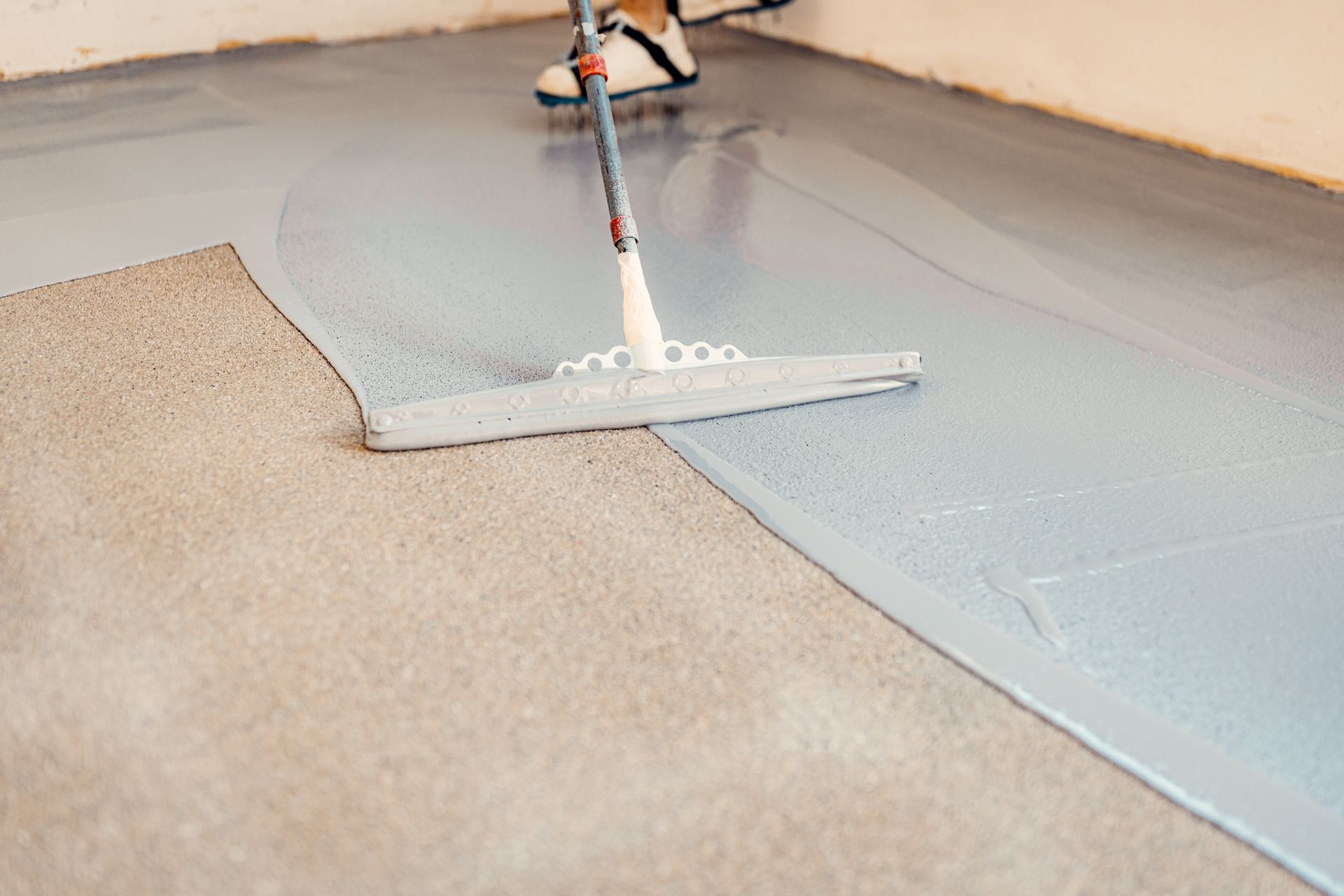
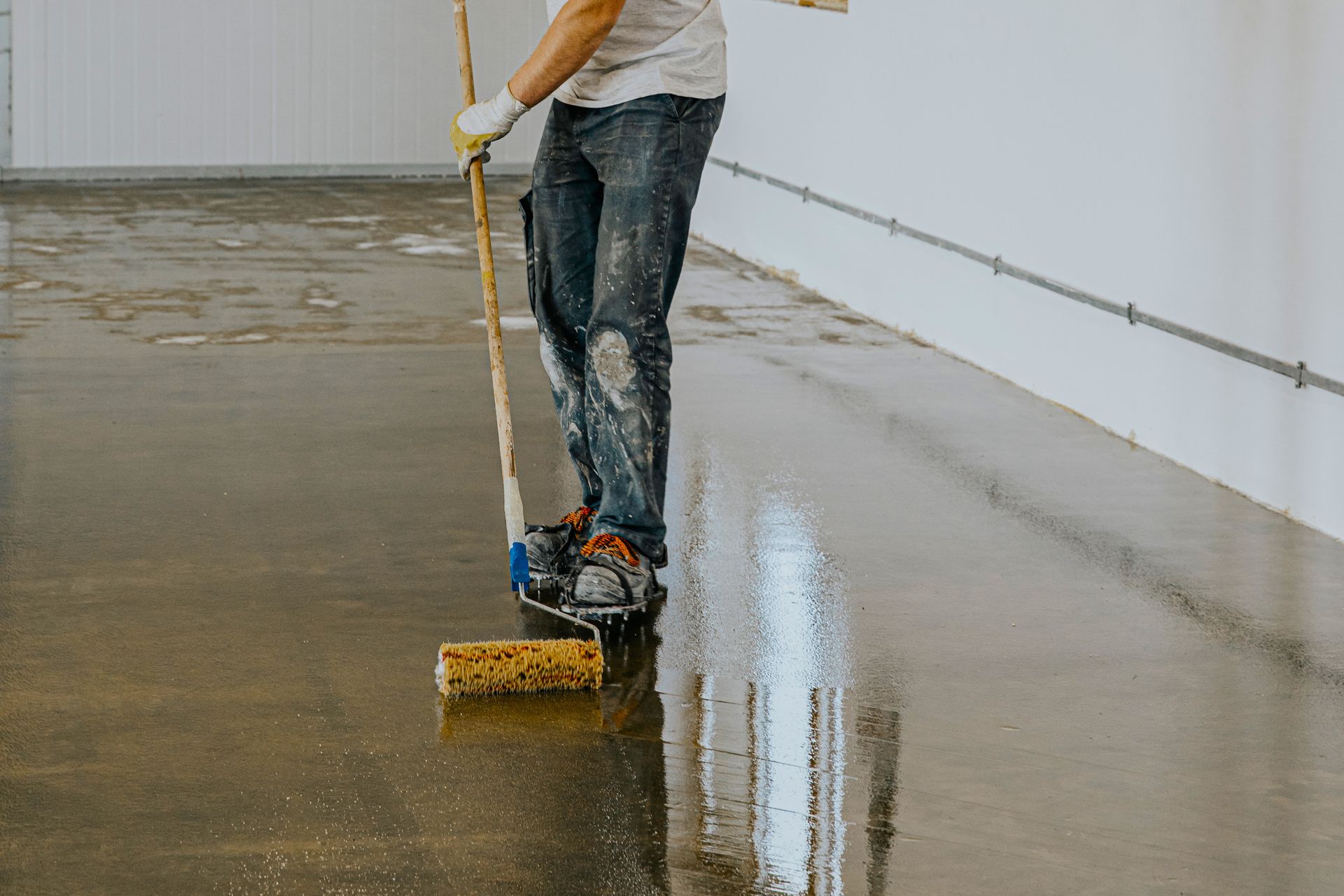
The base coating is applied to the prepared surface and allowed to cure to a specific tack level before the quartz broadcast begins. Timing the broadcast to the correct tack level is a critical step that determines how well the aggregate embeds in the coating and how uniform the final texture profile is. Too early, and the aggregate sinks too deep. Too late, and it does not embed adequately.
The quartz broadcast is applied by hand or with a broadcast spreader at the specified density, working in sections to maintain consistent coverage before the base coating cures past the optimal tack window. After the broadcast cures, excess loose aggregate is removed, and the topcoat sealer is applied in one or two coats to lock the aggregate in place and provide the chemical and UV protection the system requires.
Our process for concrete coating installation covers the full installation sequence and explains why each step contributes to the performance and longevity of the finished coating system.
Frequently Asked Questions About Quartz Pool Deck Coatings
How long does quartz pool deck coating last?
A professionally installed quartz broadcast coating system on a properly prepared pool deck surface typically lasts ten to twenty years or more with appropriate maintenance. The longevity depends on the quality of the surface preparation, the specific coating products used, the UV stability of the topcoat sealer, and how well the coating is maintained over time. Colorado's UV intensity and thermal cycling are more demanding than lower-elevation climates, which makes professional product specification and installation quality particularly important for maximizing coating life in this environment.
Is quartz coating comfortable to walk on barefoot?
Yes, when specified with the appropriate aggregate particle size for pool deck use. Fine to medium quartz aggregate creates a surface texture that provides reliable traction without the abrasiveness of coarser aggregate products. The texture is similar to fine sandpaper in feel, which most people find comfortable for extended barefoot use. The specific particle size and broadcast density specified for your pool deck should balance traction performance with barefoot comfort, and a professional installer can recommend the specification that best suits your intended use.
Can quartz coating be applied to a pool deck that already has a sealer on it?
Not without removing the existing sealer first. Existing sealers prevent the new coating from bonding directly to the concrete substrate, which creates an adhesion failure rather than a durable coating system. Professional surface preparation that removes existing sealers through diamond grinding before applying the new quartz system is required for the coating to perform as designed. Attempting to coat over an existing sealer is one of the most common causes of premature coating failure on pool decks. Common mistakes with DIY garage coatings covers the preparation errors that cause coating failures across outdoor and garage applications, and skipping sealer removal is among the most consequential.
How do I clean and maintain a quartz-coated pool deck?
Routine cleaning with mild detergent and water removes the chlorine residue, sunscreen, and organic debris that accumulate on pool deck surfaces during the season. A soft-bristle brush or mop is appropriate for most cleaning tasks. Avoid harsh chemical cleaners, acidic products, and high-pressure washing that can damage the topcoat sealer. At the end of the pool season, a thorough cleaning before the surface enters winter dormancy removes the chemical residue that can degrade the coating during months of non-use. Periodic inspection for edge lifting or areas of unusual wear allows minor issues to be addressed before they develop into more significant failures.
Does quartz coating change the temperature of the pool deck surface in summer?
Lighter colored quartz broadcast specifications reflect more solar radiation than darker colors, which results in lower surface temperatures during peak sun hours. The aggregate texture of a quartz surface also reduces the contact area between the coating and bare feet compared to a smooth surface, which moderates the perceived surface temperature somewhat. Selecting a lighter quartz color blend is the most direct way to improve surface comfort on hot Colorado summer days, and the difference between light and dark surface temperatures on a pool deck in direct sun can be significant enough to meaningfully affect how comfortable the space is during peak afternoon hours.
How soon after installation can the pool deck be used?
Return-to-use timing depends on the specific coating products used and the ambient conditions during installation. Most professional quartz broadcast systems allow foot traffic within several hours of topcoat application and normal pool deck use within twenty-four to forty-eight hours. Your installer will provide specific guidance based on the system applied and the conditions on the installation day. Allowing adequate cure time before exposing the new coating to pool water, furniture, and foot traffic is important for achieving the full adhesion and chemical resistance the system is designed to provide.
Give Your Pool Deck the Surface It Deserves
A quartz-coated pool deck is safer, more durable, and better looking than uncoated or painted concrete, and it holds up through Colorado's demanding outdoor conditions season after season. Contact Keas Concrete Coatings for a free quote. Denver: 303-999-8121. Colorado Springs: 719-432-6490. Or request a quote online.